
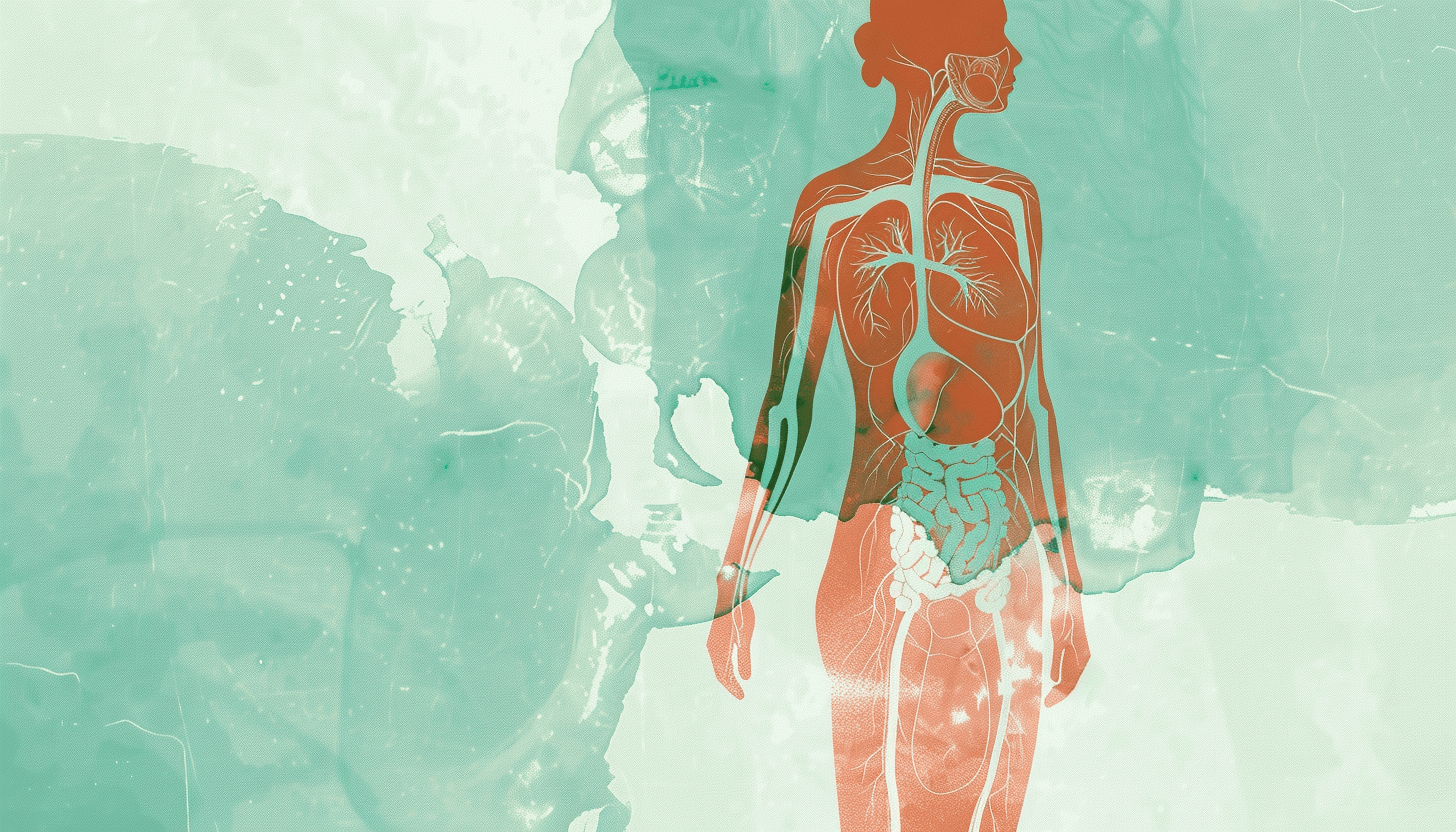
Urinary Tract Infections, commonly known as UTIs, are a frequent discomfort for many women. Experiencing a burning sensation when you pee, the constant urge to use the bathroom, or even pelvic pain can be miserable.
Are you wondering how UTIs affect your health and daily life?
The good news is that UTIs are treatable, and there are simple steps you can take to prevent them from happening in the first place. This comprehensive guide will explore the symptoms and causes of UTIs in women, equip you with prevention tips, and outline treatment options to help you feel your best again.
What exactly are UTIs and why do they affect women?

Urinary Tract Infections (UTIs) are one of the most common bacterial infections affecting women. Due to anatomical differences and various risk factors, women are significantly more prone to UTIs compared to men. Understanding the nature of these infections, their symptoms, and why they occur is essential for effective prevention and treatment.
What is a UTI?
A urinary tract infection (UTI) is an infection that can occur in any part of the urinary system, which includes the kidneys, bladder, ureters, and urethra. Most UTIs are confined to the lower urinary tract, affecting the bladder and urethra. However, more severe infections can involve the upper urinary tract, including the kidneys. Escherichia coli (E. coli) is the most prevalent pathogen in the urinary tract and is the cause of UTIs.
Why Are Women More Prone to UTIs?
There are several reasons why women are more susceptible to UTIs:
- Anatomy Differences: The female urethra is shorter than the male urethra, which means that bacteria have a shorter distance to travel in order to reach the bladder. This is due to the anatomical differences between the two anatomy. Furthermore, the female urethra is situated in a location that is closer to the anus, which is a common location for E. coli bacteria, which can lead to an increased likelihood of bacterial contamination.
- Hormonal Changes: Hormonal fluctuations, particularly those related to menstruation, pregnancy, and menopause, can affect the urinary tract’s environment, making it more susceptible to infections.
- Sexual Activity: It is possible for bacteria to enter the urinary tract through sexual activity, which can potentially cause infection. Women who engage in sexual activity are more likely to experience urinary tract infections (UTIs), which are frequently referred to as “honeymoon cystitis.”
- Birth Control Methods: Certain types of birth control, such as diaphragms and spermicidal agents, can increase the risk of developing UTIs. Diaphragms may exert pressure on the bladder, preventing complete emptying and allowing bacteria to grow, while spermicides can disrupt the natural bacterial flora of the vagina.
- Menopause: Post-menopausal women experience a decline in oestrogen levels, which can lead to changes in the urinary tract, such as thinning of the vaginal walls and decreased production of protective vaginal mucus. These changes can increase the risk of infection.
- Personal Hygiene: Improper wiping technique after using the toilet (wiping from back to front) can introduce bacteria from the anal region into the urethra. It’s essential to wipe from front to back to prevent this contamination.
- Genetic Factors: Some women may be genetically predisposed to recurrent UTIs. Certain genetic traits can affect the body’s immune response to infections or the structure of the urinary tract, making it easier for bacteria to adhere to and invade urinary tissues.
How can one tell if they have a UTI based on its symptoms?
Urinary Tract Infections (UTIs) can manifest with a range of symptoms, varying in severity from mild discomfort to significant pain. Understanding these symptoms is crucial for their early detection and treatment. Here’s a detailed look at the symptoms commonly experienced by women with UTIs:
- Strong, Persistent Urge to Urinate: Women with UTIs often feel a continuous and intense urge to urinate, even when there is very little urine in the bladder. This symptom can be particularly distressing, as it disrupts daily activities and sleep.
- Burning Sensation When Urinating: A burning or stinging sensation during urination is one of the hallmark symptoms of a UTI. Due to the infection, the urethra and bladder lining are swollen and irritated, which causes this discomfort.
- Frequent, Small Amounts of Urine: UTIs can cause women to pass urine more frequently than usual, but only in small amounts. This frequent urination is due to the bladder’s heightened sensitivity and irritation.
- Cloudy or Discoloured Urine: The appearance of urine can change with a UTI. It may become cloudy or milky due to the presence of pus or white blood cells. Sometimes, the urine may have a pink, red, or cola-coloured tint, indicating blood in the urine (hematuria).
- Strong-Smelling Urine: UTIs often cause urine to have a strong, unpleasant odour. This change in smell is due to the presence of bacteria and their metabolic byproducts in the urine.
- Pelvic Pain: Women with UTIs may experience pain or pressure in the lower abdomen or pelvis. This pain is usually centred around the bladder area and can vary from a dull ache to sharp, intense discomfort.
- Pain During Intercourse: UTIs can cause pain or discomfort during sexual intercourse. This symptom occurs due to inflammation and sensitivity in the urinary tract.
- Fever and chills: In more severe cases, a UTI can cause systemic symptoms such as fever and chills. This is often a sign that the infection has spread to the kidneys, leading to a condition known as pyelonephritis.
- Nausea and Vomiting: Nausea and vomiting can occur in conjunction with fever and chills, especially if the infection has reached the kidneys. These symptoms indicate a more serious infection requiring prompt medical attention.
- Lower Back Pain: Lower back pain, particularly on one side, can be a symptom of a kidney infection. Usually, other systemic symptoms are present along with this pain, necessitating immediate medical attention.
Recognising the Signs Early
Recognising the symptoms of a UTI early can lead to quicker treatment and prevent complications. If you experience any combination of these symptoms, it’s important to seek medical advice. Early intervention can help manage the infection effectively and reduce the risk of recurrent UTIs.
Understanding these symptoms in detail empowers women to take proactive steps towards managing their urinary health.
What steps can one take to prevent UTIs naturally?

UTIs are a drag, but the good news is that there are several things you can do to prevent them from happening in the first place. Here’s a detailed breakdown of some key prevention tips:
Hydration is key:
- Drink Plenty of Fluids: Aim for eight glasses of water per day, or more if you’re sweating a lot due to exercise or hot weather. Water dilutes your urine, flushing out bacteria before it can take hold in your bladder.
- Choose Water Over Other Beverages: While cranberry juice and certain herbal teas may offer some benefits (more on that later), water is the gold standard for hydration and UTI prevention. Sugary drinks and even excessive coffee or alcohol can irritate the bladder and contribute to UTIs.
Wiping Technique Matters:
- Front-to-Back Wiping: This simple practice helps prevent bacteria from the anus from entering the urethra, the tube that carries urine out of the body.
- Dedicated Toilet Paper: Consider using separate toilet paper for wiping after urination and bowel movements to further minimise the risk of bacterial transfer.
Post-Intercourse Urination:
- Empty Your Bladder Soon After Sex: Sexual activity can stir up bacteria around the urethra. Taking a bathroom break shortly after intimacy helps expel any bacteria that may have been introduced.
Ditch the Douching and Harsh Soaps:
- Maintain Natural Balance: The vagina has a healthy balance of bacteria. Douching disrupts this balance, potentially increasing susceptibility to UTIs.
- Gentle Cleansers: Harsh soaps can irritate the vulva and urethra, making them more vulnerable to infection. Opt for gentle, fragrance-free cleansers for the genital area.
Consider Cranberry Products (Discuss with Doctor)
- Mixed Research: Studies on the effectiveness of cranberry juice and cranberry supplements in preventing UTIs are somewhat inconclusive. Some research suggests they may offer benefits, while others show little to no effect.
- Talk to Your Doctor: If you’re interested in trying cranberry products for UTI prevention, have a conversation with your doctor to see if they’re right for you.
Bonus Tips
- Wear Loose-Fitting Cotton Underwear: Tight-fitting clothing can trap moisture and create a breeding ground for bacteria. Opt for breathable cotton undergarments that allow for better airflow.
- Wipe After Using Public Toilets: Use disinfectant wipes or toilet seat liners in public restrooms to minimise potential bacterial contact.
- Consider Probiotics: Some research suggests that probiotics, which introduce beneficial bacteria into the body, might help prevent UTIs. Discuss this option with your doctor.
Remember: While these tips can significantly reduce your risk of UTIs, they are not foolproof. If you experience any symptoms like burning urination, frequent urination, or pelvic pain, see your doctor for a diagnosis and treatment plan.
How effectively treat UTIs?
Urinary Tract Infections (UTIs) are commonly treated with a variety of approaches, depending on the severity of the infection and the individual’s medical history. Understanding the available treatment options can help effectively manage and alleviate UTI symptoms.
Over-the-Counter Treatments
Over-the-counter (OTC) medications such as:
- Painkillers: Non-prescription painkillers like ibuprofen or acetaminophen can help lessen the discomfort associated with UTI symptoms like pelvic pain or discomfort while urinating.
- Urinary analgesics: These medications relieve the burning sensation and urgency associated with UTIs by numbing the bladder and urethra.
While OTC treatments provide symptomatic relief, they do not eliminate the underlying infection and are typically used to manage mild UTI symptoms.
Prescription Antibiotics
Antibiotics prescribed by healthcare providers remain the most effective treatment for UTIs, targeting the bacteria responsible for the infection. The choice of antibiotic depends on factors such as:
- Type of bacteria: Common bacteria causing UTIs include Escherichia coli (E. coli), which requires specific antibiotics for effective treatment.
- Medical history: Previous antibiotic use and any known drug allergies are considered to avoid adverse reactions.
- Severity of symptoms: Severe UTIs may require stronger antibiotics or a longer course of treatment.
Commonly prescribed antibiotics for UTIs include:
- Trimethoprim/sulfamethoxazole (Bactrim, Septra)
- Nitrofurantoin (Macrodantin, Macrobid)
- Cephalexin (Keflex)
- Fosfomycin (Monurol)
It’s essential to complete the full course of antibiotics as prescribed, even if symptoms improve, to ensure the infection is completely eradicated and prevent antibiotic resistance. Healthcare providers may recommend a follow-up urine test to confirm that the infection has cleared.
Alternative Treatments
In cases where antibiotics are not suitable or as adjunct therapies, alternative treatments may be considered:
- Herbal remedies: Natural supplements like cranberry extract or D-mannose may help prevent UTIs by preventing bacteria from adhering to the urinary tract walls.
- Probiotics: These supplements promote a healthy balance of bacteria in the gut and urinary tract, potentially reducing the risk of UTIs.
Alternative treatments should be discussed with a healthcare provider to ensure safety and efficacy, particularly for individuals with underlying health conditions or those at higher risk of complications from UTIs.
Lifestyle Modifications
In addition to medical treatments, lifestyle changes can support UTI prevention and recovery:
- Hydration: Drinking plenty of water helps flush bacteria from the urinary tract.
- Urination habits: Urinating shortly after sexual intercourse and avoiding holding urine for prolonged periods can reduce the risk of UTIs.
- Personal hygiene: Wiping from front to back after using the bathroom helps prevent bacteria from entering the urethra.
Understanding and implementing these treatment options and lifestyle modifications can effectively manage UTIs and reduce the likelihood of recurrence. Consulting a healthcare provider is crucial for personalised treatment recommendations based on individual health needs and UTI history.
When should seek medical help for UTI symptoms?

If you experience any of the following symptoms or situations related to UTIs, it is advisable to seek medical attention promptly:
- Severe Symptoms: persistent and intense pain in the lower abdomen or pelvic area, accompanied by fever, chills, nausea, or vomiting.
- Recurrent Infections: If you have frequent UTIs, defined as two or more infections within six months or three or more within a year.
- No Improvement: If your symptoms do not improve within a few days of starting home treatments or over-the-counter medications.
- Complications: Symptoms indicating a possible complication, such as blood in the urine, back pain (suggesting kidney involvement), or symptoms worsening despite treatment.
- Underlying Conditions: Individuals with diabetes, pregnancy, a history of urinary tract abnormalities, or a weakened immune system should consult a healthcare provider promptly.
Seeking medical advice ensures proper diagnosis and treatment, reducing the risk of complications and promoting swift recovery.
What home remedies can help ease UTI discomfort?

While antibiotics are the primary course of treatment for UTIs, there are indeed home remedies that can help alleviate discomfort while you wait to see a doctor or as you recover. Here are some options to consider, but remember, these remedies should never replace seeking professional medical attention:
- Hydration is Key: Drinking plenty of fluids, especially water, helps flush out bacteria from your urinary tract and dilute urine, making urination less painful. Aim for eight glasses of water per day, or more if you’re feeling symptoms.
- Heating Pad Relief: Applying a heating pad to your lower abdomen can help ease the pain and cramping associated with UTIs. The warmth relaxes muscles and improves blood flow, bringing temporary relief.
- Soothing Warm Baths: Similar to a heating pad, soaking in a warm bath can provide comfort and relaxation during a UTI. You can add a cup of Epsom salts to the bath for additional pain relief.
- Over-the-Counter Pain Medication: Medications like ibuprofen or acetaminophen can help manage pain and discomfort associated with UTIs. Be sure to follow the dosage instructions carefully and consult your doctor if you have any pre-existing health conditions.
- Consider Probiotics: These are live bacteria that can help restore the balance of good and bad bacteria in your body, potentially reducing the risk of UTIs. While research is ongoing, some studies suggest probiotics may be helpful alongside antibiotics or as a preventative measure. Discuss this option with your doctor.
- Certain Dietary Adjustments: Cranberry juice has long been a home remedy for UTIs. While the research is mixed, some studies suggest cranberry products may help prevent UTIs. However, cranberry juice can be high in sugar, so moderation is key. Talk to your doctor to see if cranberry juice is right for you. Limiting caffeine and alcohol may also be helpful, as they can irritate the bladder.
To Sum Up
A combination of proper hygiene practices, healthy habits, and the appropriate medical treatment is required in order to prevent and treat urinary tract infections (UTIs) in women. You are able to effectively manage and avoid urinary tract infections if you have a thorough understanding of the symptoms and causes, if you follow the prevention tips, and if you are aware of when you should seek medical assistance. Keeping yourself informed and taking preventative measures regarding the health of your urinary tract can help you live a life that is less uncomfortable and free of infections.
FAQs
What are the most common symptoms of a UTI in women?
Women often notice a burning sensation during urination, frequent urges to go, cloudy or strong-smelling urine, and sometimes lower abdominal pain. If these symptoms occur, it’s a good idea to consult your healthcare provider.
How can I naturally prevent recurring UTIs?
Drinking plenty of water, urinating frequently, wiping from front to back, and discussing the use of cranberry supplements with your doctor are simple steps that may help reduce the risk of recurring infections.
Are there any effective home remedies to ease UTI discomfort?
Yes, using a warm heating pad on your lower abdomen, drinking herbal teas, and staying well-hydrated can help ease discomfort. However, if symptoms worsen, you should seek medical advice.
When should I consider seeing a doctor for my UTI symptoms?
If your symptoms include severe pain, blood in your urine, or persist for more than a couple of days, it’s important to see a doctor. Early treatment can prevent complications.
Can my diet influence my risk of developing UTIs?
A balanced diet rich in fruits, vegetables, and probiotics supports overall immune health and may lower your risk. Limiting bladder irritants like caffeine and alcohol might also help maintain urinary tract health.


Leave a Reply