
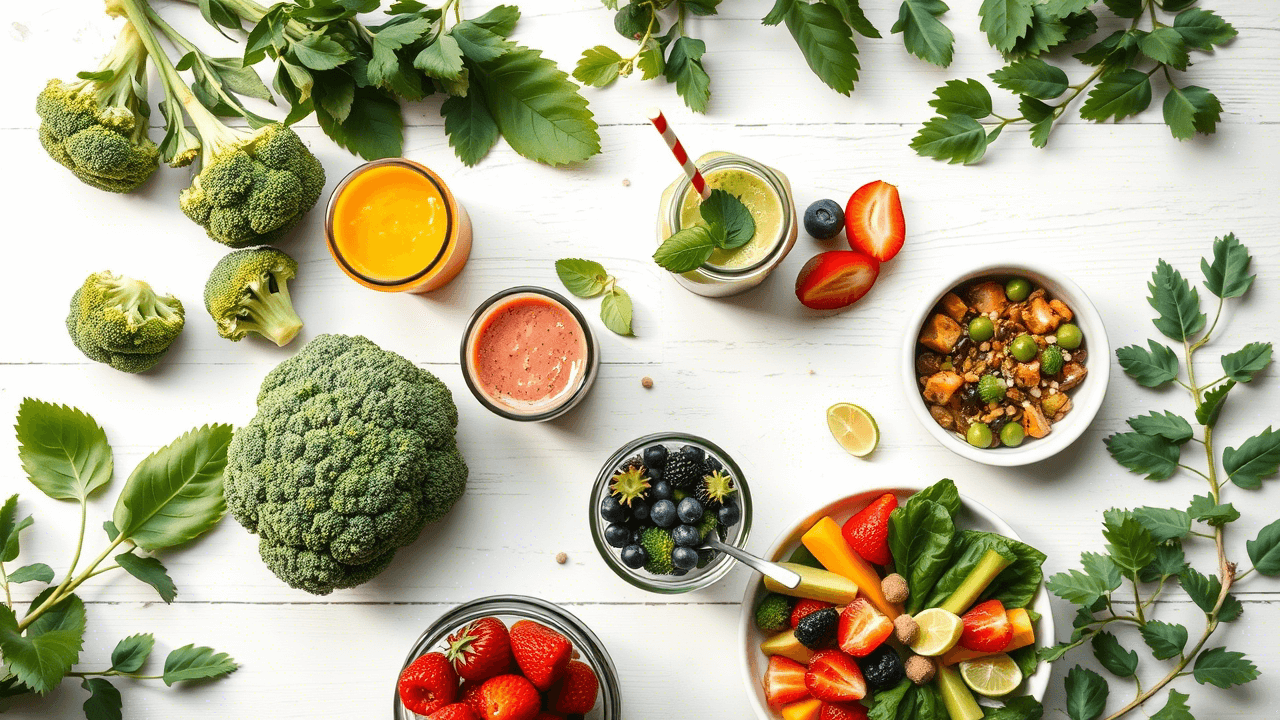
The health benefits of broccoli go well beyond its high vitamin and fibre content; they also include metabolic regulation, digestive support, and disease prevention. Learning how to cook broccoli using nutrient-preserving methods, such as rapid steaming and mild stir-frying, will help you preserve important antioxidants while still enjoying flavourful, crisp-tender florets. You can boost your diet with a trio of wellness-enhancing options, including anti-inflammatory broccoli recipes and revitalising broccoli detox smoothies.
Broccoli health benefits: Don’t cook another broccoli batch until you master this nutrient-preserving technique!
In this comprehensive guide, we’ll explore simple, satisfying, and sustaining broccoli fibre meals, explore the science underlying the detoxifying properties of broccoli, and offer easy tips to optimise the nutritional density of every bite. These tips will enable you to fully utilise broccoli’s potential for long-lasting health benefits, regardless of your lifestyle—busy professional or home cook.
What are the key broccoli health benefits you need to know?

Broccoli is a nutritional powerhouse. A 100 g serving delivers about 89 mg of vitamin C (over 99% of the Daily Value), 116 µg of vitamin K, and nearly 3 g of dietary fibre—essential for healthy digestion and stable blood sugar levels. It’s rich in folate, potassium, and minerals like iron and calcium. But broccoli’s superstar compounds are its glucosinolates, which convert to isothiocyanates (sulforaphane) during chewing or chopping. Sulforaphane has been extensively studied for its antioxidant and potential anti-cancer properties, supporting cellular detoxification and reducing oxidative stress. Regular intake is linked to improved heart health—thanks to cholesterol-lowering effects—and may aid in bone strength through its vitamin K content. Incorporating broccoli into your meals consistently can bolster immunity, support metabolic balance, and contribute to long-term disease prevention.
- Rich in Vitamins and Minerals: Broccoli is a great source of Vitamin K, which is necessary for blood coagulation and bone health, and Vitamin C, which is important for immune system and skin health. It also offers good levels of potassium, iron, and folate (Vitamin B9).
- Antioxidant Powerhouse: Sulforaphane, indole-3-carbinol, and quercetin are just a few of the antioxidants that abound in this vegetable. These substances aid in the fight against oxidative stress, which can harm cells and play a role in the development of chronic illnesses.
- Boosts Immune System: Broccoli’s high vitamin C content and other phytonutrients enhance your body’s resistance to infections by fortifying your immune system.
- Supports Heart Health: Broccoli’s antioxidants, potassium, and fibre all support cardiovascular health. Potassium helps control blood pressure, and fibre lowers cholesterol.
- Promotes Digestive Health: The significant fibre content in broccoli aids in healthy digestion, prevents constipation, and supports a balanced gut microbiome.
- May Help Prevent Cancer: Research indicates that the compounds in broccoli, especially sulforaphane, may have anti-cancer effects by preventing the growth of cancer cells and neutralising carcinogens.
- Bone Health: With its good levels of vitamin K and calcium, broccoli plays a role in maintaining strong and healthy bones.
How does nutrient-preserving broccoli cooking maximise nutrition?

Cooking can either diminish or concentrate broccoli’s nutrients. High heat and long cooking times leach water-soluble vitamins (like vitamin C) into the cooking liquid, while quick, gentle methods retain more phytonutrients and texture.
- Steaming: Perhaps the best technique is steaming. Broccoli retains the majority of its vitamins, minerals, and healthful compounds when steamed for a brief duration (three to five minutes). Tender-crisp is the aim.
- Light Sautéing: You can add flavour and preserve nutrients by quickly sautéing food with a small amount of healthy fat, such as olive oil. Keep it from getting mushy.
- Roasting: While preserving most of its nutritional value, roasting for 15 to 20 minutes at moderate temperatures (about 200°C or 400°F) can bring out a delicious nutty flavour.
- Microwaving: Broccoli can be swiftly cooked in the microwave in short bursts with a little water without losing a lot of nutrients.
- Avoid Boiling: When broccoli is boiled in a lot of water, water-soluble vitamins (such as vitamin C and some B vitamins) can seep into the cooking liquid, drastically lowering the nutritional value of the vegetable. Use as little water as possible when boiling, and think about using the cooking liquid for sauces or soups.
What are the best broccoli detox smoothies for cleansing?

Broccoli detox smoothies blend fibre, antioxidants, and phytochemicals into a drinkable cleanse. Here are some easy recipes:
- Green Power Smoothie: To make a Green Power Smoothie, combine a handful of broccoli florets that have been either raw or lightly steamed with spinach, a green apple, a piece of ginger, and either water or coconut water. Blend until smooth.
- Tropical Broccoli Cleanse: In order to create a reviving and nutrient-dense mixture, you can make a tropical broccoli cleanse by combining broccoli with pineapple, banana, coconut milk, and a squeeze of lime juice.
- Berry Broccoli Boost: An antioxidant-rich and satiating smoothie can be made by combining broccoli with a variety of berries, including blueberries and raspberries, as well as a scoop of plant-based protein powder and almond milk.
- Citrus Broccoli Wake-Up: For a bright and energetic start to your day, try the Citrus Broccoli Wake-Up. In a blender, combine broccoli with orange segments, a small amount of kale, and water. Blend until smooth.
How can you create fibre-rich broccoli meals daily?

Incorporating broccoli into every meal ensures you hit your daily fibre goals (~25–30 g). Try these bowls and salads:
Broccoli & Quinoa Power Bowl
Make a mixture consisting of one cup of cooked quinoa, one cup of roasted broccoli, half a cup of chickpeas, diced cucumber, cherry tomatoes, and a drizzle of tahini and lemon.
Broccoli Lentil Soup
Make a meal that is high in fibre and creamy by sautéing onions and garlic, adding one cup of lentils and two cups of broccoli, and then simmering the mixture in broth until the vegetables are tender.
Broccoli Chickpea Salad
Raw broccoli florets, canned chickpeas, red bell pepper, parsley, olive oil, and apple cider vinegar are tossed together to make a nutritious dish that can be prepared in less than ten minutes.
These meals that contain broccoli fibre are not only versatile and satisfying, but they also contribute to the maintenance of healthy digestion.
Why is broccoli considered an anti-inflammatory superfood?

Because of its high concentration of particular compounds that actively fight inflammation in the body, broccoli is known as an anti-inflammatory superfood. Numerous illnesses, such as diabetes, heart disease, and some types of cancer, are associated with chronic inflammation.
Key anti-inflammatory components in broccoli include:
- Sulforaphane: This potent substance, which is only found in cruciferous vegetables, has been thoroughly researched for its capacity to lower the body’s inflammatory pathways and markers.
- Kaempferol and Quercetin: These flavonoids, quercetin and kaempferol, have strong anti-inflammatory and antioxidant effects. They aid in preventing pro-inflammatory molecules from being produced.
- Omega-3 Fatty Acids: Broccoli has trace amounts of omega-3 fatty acids in the form of alpha-linolenic acid (ALA), which also helps to reduce inflammation, though they are not as prevalent as in fish.
You can support general health and lower your risk of inflammatory-related conditions by regularly eating broccoli, which gives your body a natural defence mechanism against inflammation.
What are the most common mistakes when cooking broccoli?
- Overcooking: Broccoli loses vitamin C and becomes mushy when boiled or steamed for an extended period of time. Aim for a texture that is al dente.
- Chopping too fine: Medium-sized florets retain nutrients better than smaller ones.
- Discarding stalks: Broccoli stems are high in fibre; peel and cut them into slices for slaws or stir-fries.
- Skipping seasoning: A pinch of salt, a squeeze of lemon, or a sprinkle of seeds elevates flavour without extra fat.
- Neglecting freshness: Use broccoli within three to five days of purchase to preserve its bright colour and nutrient density.
Avoid these pitfalls to ensure each serving delivers maximum taste and health value.
How do you choose and store fresh broccoli for maximum benefit?
Selecting and storing broccoli correctly ensures you’re getting the freshest and most nutrient-dense product:
Choosing Fresh Broccoli:
- Colour: Look for a deep, vibrant green colour. Avoid florets with yellowing, browning, or soft spots, which indicate spoilage.
- Florets: The florets should be tightly packed and firm. Loose or flowering florets mean the broccoli is past its prime.
- Stems: The stem should be firm and not rubbery or soft.
- Smell: Fresh broccoli should have a mild, earthy smell. Avoid any with a strong, unpleasant odour.
- Refrigeration: Store unwashed broccoli in a loose plastic bag or perforated bag in the crisper drawer of your refrigerator. This allows for some air circulation while maintaining moisture.
- Do Not Wash Until Ready to Use: Washing before storing can promote mould growth.
- Avoid Airtight Containers: Broccoli needs some air circulation, so don’t store it in completely sealed containers, which can trap moisture and accelerate spoilage.
- Duration: Properly stored fresh broccoli can last for 3-5 days, sometimes up to a week.
How do you incorporate broccoli into meal planning for lasting wellness?
Making broccoli a regular part of your meal planning is a strategic way to boost your long-term health and wellness.
- Batch Cooking: At the start of the week, roast or steam a big batch of broccoli. After cooking, this broccoli can be quickly added to wraps, grain bowls, salads, or as a side dish any time of the week.
- “Hidden” Veggies: For people who don’t like broccoli, try chopping it up fine and adding it to meatloaves, casseroles, or sauces. You can also blend it into soups to add a subtle nutritional boost.
- Theme Nights: To promote its consumption in inventive ways, set aside a “Green Veggie Night” or a “Broccoli Night” once a week.
- Freezing for Later: Blanch and freeze fresh broccoli if you can get a good price on it. When fresh broccoli isn’t available, frozen broccoli makes a handy substitute for stir-fries, soups, and smoothies.
- Experiment with Flavours: To keep things interesting and avoid flavour fatigue, don’t be scared to season broccoli with different herbs and spices (garlic, lemon, red pepper flakes, and nutritional yeast).
By understanding the incredible benefits of broccoli and adopting smart cooking and incorporation strategies, you can easily make this anti-inflammatory superfood a delicious and vital part of your journey towards lasting wellness.
To Sum Up
There is no denying broccoli’s health benefits for improving digestion, lowering inflammation, and increasing immunity. Regular servings ensure a consistent supply of fibre, vitamins C, and K, as well as vital minerals. Focus on methods like nutrient-preserving broccoli cooking to preserve antioxidants, blending fresh ingredients into broccoli detox smoothies for a simple cleanse, and creating filling broccoli fibre meals for long-lasting energy if you want to optimise these advantages. Adopt anti-inflammatory broccoli recipes to improve your general health and recuperation. By using these techniques, you can incorporate broccoli into any meal with confidence and maximise its nutritional value. To keep your diet interesting and nutritious, try out various flavour combinations.
FAQs
What are the top health benefits of eating broccoli every day?
Broccoli is packed with fibre, vitamins (C, K), minerals (potassium, calcium), and potent antioxidants like sulforaphane. It supports digestion, heart health, bone strength, and immune function and may help reduce inflammation and the risk of certain cancers.
How does broccoli help with detox and liver health?
Thanks to sulforaphane and indole‑3‑carbinol, broccoli helps boost liver enzyme activity (like CYP1A1) that supports oestrogen metabolism and overall detoxification. Broccoli sprouts are especially rich in these compounds, enhancing liver function and hormone balance.
Can I really use broccoli in smoothies for health benefits?
Yes! Broccoli smoothies offer a nutrient‑dense, fibre‑rich beverage that boosts vitamin C, antioxidants, and phytonutrients. They’re often blended with fruits and leafy greens for taste and work well both raw or lightly steamed for better nutrient absorption .
How much fibre is in broccoli, and why does it matter?
A one‑cup serving of broccoli provides roughly 5 grams of fibre. This helps support healthy digestion, blood sugar control, cholesterol reduction, and regular bowel movements—all vital for good gut function and elimination of toxins.
Should I eat broccoli raw or cooked to maximise benefits?
Lightly steaming or stir‑frying broccoli helps preserve sulforaphane, while eating it raw gives maximum fibre and vitamin C. Pre‑cut florets activate beneficial compounds, so aim for a mix based on your taste and digestive comfort.


Leave a Reply