
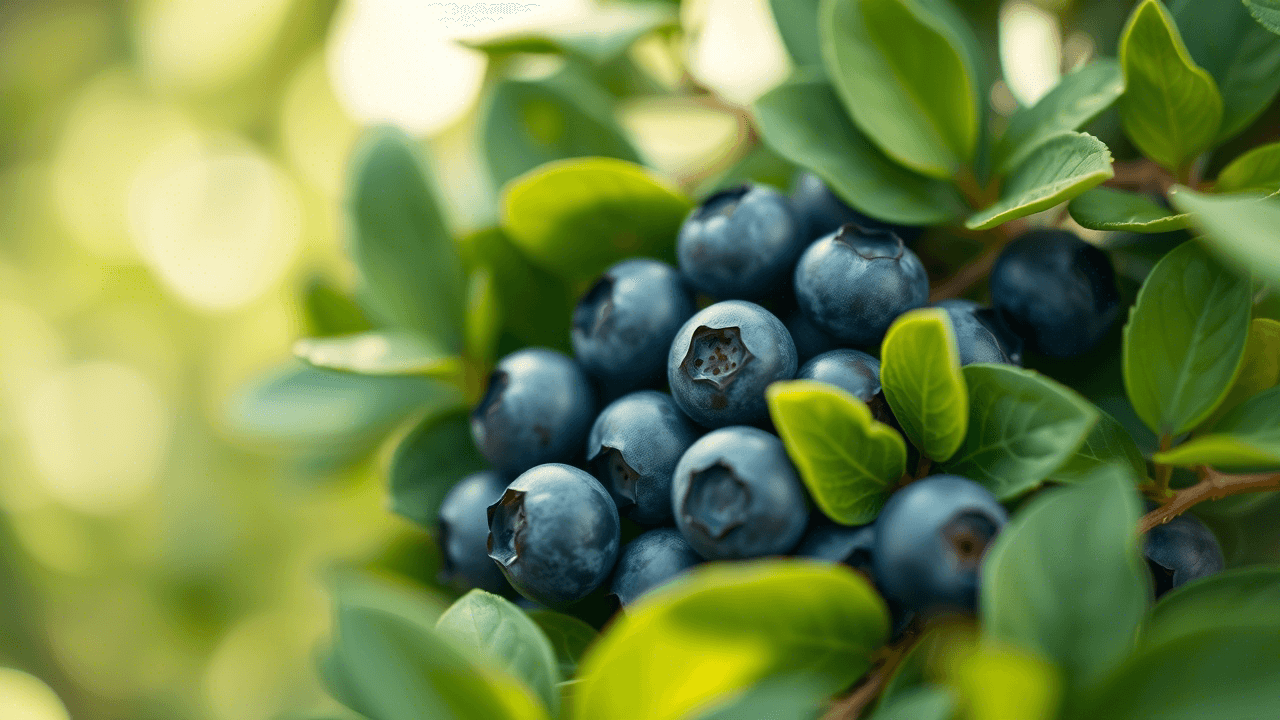
The antioxidant and heart-protective properties of blueberries are well known. Blueberries are known as heart health champions because they contain antioxidants and anti-ageing compounds that may slow ageing and improve health. Understanding how to enhance immunity with blueberries can significantly contribute to illness prevention.
Blueberries Health Benefits: Discover How?
In this post, we’ll explore the nutritional profile of blueberries, practical ways to include them in your diet, and the evidence behind their detox-supporting effects. Whether you’re aiming to protect your heart, enhance cognitive function, or simply enjoy a tasty superfood, understanding these key benefits will help you harness the full power of blueberries.
What Are the Top Blueberry Health Benefits?
Blueberries, one of the most nutrient-dense fruits, have many health benefits. These tiny, colourful berries are rich in vitamins, minerals, fibre, and antioxidants, making them a great diet supplement. One of their most notable benefits is reducing oxidative stress, a major cause of ageing and chronic diseases. The anthocyanins that give blueberries their colour improve memory and brain function.
Regular blueberry consumption may reduce type 2 diabetes, cancer, and heart disease risk. They treat arthritis and promote cellular health due to their anti-inflammatory properties. Due to their low calorie and glycaemic index, blueberries are beneficial for weight loss and blood sugar control.
Blueberries’ high fibre content also promotes gut microbiome health and bowel regularity, which improves digestion. They also boost immunity and skin health. Blueberries are a quick and easy way to improve your health because they retain most of their nutrients when fresh, frozen, or dried.
How Do Blueberries Support Heart Health?

Although heart disease is still the world’s leading cause of death, eating heart-healthy foods like blueberries can significantly reduce your risk. Blueberries are good for cardiovascular health because they contain anthocyanins, plant chemicals that dilate blood vessels, lower blood pressure, and reduce arterial stiffness. These benefits normalise blood flow and reduce cardiac strain.
Regularly eating blueberries may reduce heart attack and stroke risk, research shows. Antioxidants in blueberries fight oxidative stress, which damages blood vessels and causes plaque. Lowering LDL and possibly increasing HDL cholesterol improves lipid profile.
Blueberries contain dietary fibre, which may lower cholesterol levels and improve heart health. Their anti-inflammatory properties reduce artery-wide chronic inflammation, a major heart disease cause. Manganese and vitamins C and K support the vascular system and blood clotting.
What Makes Blueberries Rich in Antioxidants for Anti-Ageing?
Blueberries are renowned for their antioxidants, which prevent ageing. Antioxidants combat free radicals, unstable molecules that harm cells, hasten ageing, and cause many chronic diseases. Blueberries are rich in flavonoids, especially anthocyanins, which give them a deep blue colour and antioxidant properties.
These antioxidants support collagen production, prevent premature ageing, and reduce fine lines and wrinkles at the cellular level. Blueberries reduce oxidative stress, thereby slowing cellular ageing in the skin, heart, brain, and eyes.
Blueberries contain vitamin C, another antioxidant that improves skin and immunity. Their ability to reduce inflammation helps prevent age-related diseases like macular degeneration, arthritis, and Alzheimer’s.
The convenience of adding blueberries to your routine without sacrificing antioxidant value makes them more appealing. Their nutrients don’t change whether frozen or fresh, making them a tasty and reliable choice for healthy ageing. Blueberries are healthy and can help you stay young and stress-resistant.
How Can You Use Blueberries to Boost Immunity?

Eat blueberries to boost your immune system. Vitamins C and A, along with phytochemicals like anthocyanins, boost your body’s defences. Vitamin C helps immune health by supporting white blood cell function, which fights infections. About 25% of your daily vitamin C comes from one cup of blueberries.
Vitamins and antioxidants in blueberries reduce chronic inflammation, which lowers immunity. Research indicates that the fruit’s bioactive components increase natural killer cell production, which fights cancer and viruses.
Blueberry’s fibre supports gut health. The gut contains a large part of the immune system, so a healthy gut microbiome is crucial. Prebiotics in blueberries nourish beneficial bacteria and protect the intestinal wall from pathogens.
Daily blueberry consumption—in smoothies, yoghurt, or on their own—can boost immunity. Blueberries help your body fight illness during cold and flu season or when you’re exhausted.
What Role Do Blueberries Play in Detox?
Blueberries aid detoxification, the body’s natural detoxification process. Even though “detox diets” promise quick fixes, true detox requires a healthy liver, kidneys, and digestive tract. Blueberries aid these processes with their antioxidant, fibre, and anti-inflammatory properties.
Anthocyanins and flavonoids in blueberries neutralise toxins and free radicals caused by stress, poor diets, and pollution. They improve liver function, helping the body break down and eliminate toxins. Blueberries protect liver cells from oxidative stress, ensuring their proper function.
Healthy digestion and regular bowel movements require fibre, which blueberries provide. This helps the body eliminate waste and toxins. Their antibacterial properties may also aid kidney and urinary tract health by promoting toxin filtration and excretion.
A balanced diet with blueberries can help your detox systems work well. Blueberries are simple, natural additions to smoothies, detox waters, and salads. Blueberries support your body’s cleansing and rejuvenation, according to science.
What Nutrients Are in Blueberries That Contribute to Wellness?

Blueberries are small but packed with vitamins, minerals, and phytonutrients that promote health. Vitamin C, which boosts immunity, skin, and tissue repair, is one of their best nutrients. Vitamin K, essential for bone health and blood clotting, and manganese, essential for metabolism and bone formation, are also abundant in them.
Blueberries also contain dietary fibre, which aids digestion, gut health, and blood glucose regulation. They have a low glycaemic index and calories, making them ideal for weight loss and diabetes.
Blueberries are unique for their antioxidants, especially anthocyanins and flavonols. These compounds reduce inflammation, protect cells from oxidative damage, and improve cognitive function, cardiovascular health, and cancer risk.
The smaller amounts of B vitamins and vitamin E in blueberries support energy production and skin health. Blueberries are nutrient-rich and can be added to almost any diet to boost energy, digestion, heart health, or ageing. Adding them to meals is a simple and tasty way to nourish your body.
How Can You Incorporate Blueberries into Your Daily Diet?

Blueberries’ sweet-tart flavour and versatility make them easy to eat every day. Tossing a handful in your morning muesli, cereal, or yoghurt is easy. They blend well into smoothies, adding nutrition and natural sweetness without sugar.
For a healthy twist on muffins, pancakes, and whole grain breads, add blueberries. Frozen blueberries are just as nutritious as fresh ones and can be used year-round in smoothies and porridge.
Blueberries can be sprinkled on salads for colour and sweetness, or they can be mixed with nuts and seeds for a nutritious snack. Use them in poultry or fish sauces or compotes for a savoury option.
Blueberries have fibre, vitamins, and antioxidants in a cup for less than 100 calories, so portion control is easy. Blueberries add flavour and nutrition to any meal, whether eaten alone or with creative dishes. Enjoy a daily serving to maximise your benefits.
To Sum Up
Blueberries boost detox, cardiovascular health, and oxidative stress protection. By including blueberries in a balanced diet, you get their antioxidant and anti-inflammatory benefits. For heart health, blueberries improve circulation and lower blood pressure, and their antioxidants fight cellular damage to preserve youth. Simple recipes and snack ideas show how blueberries boost immunity and promote a gentle, natural detox. Using these methods maximises the benefits of this remarkable berry.
FAQs
How do blueberries help strengthen my immune system?
Antioxidants, particularly flavonoids like anthocyanins, which help shield immune cells from harm, are abundant in blueberries. Additionally, they have vitamin C, which promotes the formation of white blood cells, which are vital for battling infections.
Can eating blueberries daily really improve my health?
Yes, there are a lot of health advantages to eating blueberries every day. They promote heart health, lessen inflammation, and improve cognitive function. Additionally, their high antioxidant content helps shield the body from oxidative stress.
What’s the best way to eat blueberries and get the most health benefits?
The best way to maximise the health benefits of blueberries is to eat them fresh and raw. It is best to add them to salads, yoghurt, or smoothies because cooking can lower their antioxidant content. Because they keep the majority of their nutrients, frozen blueberries are also a good choice.
How many blueberries should I eat each day to boost my immunity?
You should consume approximately 150 grammes, or one cup, of blueberries every day to support the immune system. This quantity offers a healthy dose of vitamins, fibre, and antioxidants without being too calorically dense.
Do blueberries support gut health, and how does that relate to immunity?
Indeed, blueberries encourage the development of beneficial gut flora, which are essential for preserving a strong immune system. A healthy gut microbiome aids in immune response regulation and pathogen defence.


Leave a Reply