
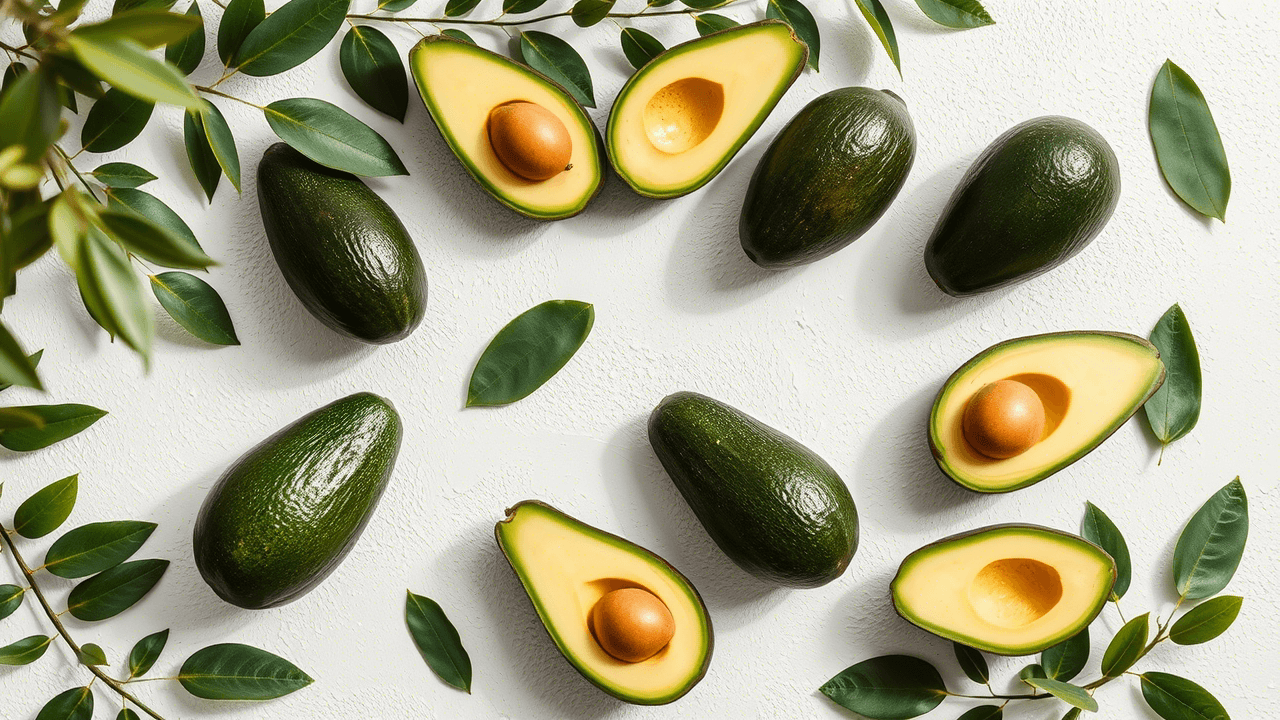
Beyond just their creamy flavour, avocados are a powerful source of nutrition, brimming with essential vitamins, healthy fats, and fibre—all of which contribute to your overall well-being.
You Won’t Believe What These Incredible Avocado Benefits Can Do for Your Health
In this comprehensive guide, we’ll dive into the key avocado nutrition facts you need to know and explore avocado benefits for skin and hair, avocado for weight loss and digestion, and avocado benefits for heart health. Whether you’re looking to glow from within or boost your cardiovascular system, these remarkable fruit powders will surprise you. Read on to uncover simple ways to harness every advantage this creamy green gem has to offer.
What are the health benefits of avocados that make them a superfood?
Because of their exceptional nutritional value and broad range of health benefits, avocados are frequently referred to as superfoods. Their special blend of antioxidants, fibers, and beneficial fats makes them stand out. They contain monounsaturated fats, especially oleic acid, which has been associated with a lower risk of chronic diseases and a reduction in inflammation. Additionally, they provide almost 20 vital nutrients, such as potassium, vitamin K, vitamin E, folate, and several B vitamins.
Avocados promote skin and brain wellness, improve nutrient absorption, and improve heart health, among other body functions. Avocados are a great addition to low-carb and ketogenic diets because they are low in carbohydrates and high in healthy fats, in contrast to many other fruits that are high in sugar. They are considered a “superfood” because of their capacity to support several bodily systems in a single package.
What are the top avocado nutrition facts everyone should know?
Understanding avocado nutrition gives you a clearer picture of its benefits. A medium-sized avocado provides:
- 320 calories
- 29 grams of healthy fat
- 13 grams of fibre (over 50% of the daily requirement)
- 15% of the RDI of potassium—more than a banana
- 20% of the RDI for folate
- Vitamins K, E, C, and several B vitamins
In addition to being free of sodium and cholesterol, avocados’ fats aid in the absorption of nutrients that are fat-soluble. They contain antioxidants called lutein and zeaxanthin, which are beneficial for your eyes. They encourage satiety, which can aid in weight management even though they are high in calories. They are among the world’s most nourishing fruits due to their high nutrient density.
How do avocado benefits for skin and hair boost your beauty routine?

In the realms of natural skincare and nutrition, avocados are considered a beauty secret. Packed with vitamin E, they shield skin cells from environmental harm and oxidative stress. Monounsaturated fats found in avocados contribute to the hydration and suppleness of skin, thereby reducing the appearance of fine lines, dryness, and flakiness. Additionally, they contain vitamin C, which is necessary for the synthesis of collagen and keeps the skin looking young and firm.
In terms of hair, avocados’ natural oils, biotin, and vitamin B5 help to nourish the scalp and hair strands. They encourage stronger, glossier hair, lessen dandruff, and stop breakage. Applying avocado oils and masks topically to deeply condition hair and soften skin is a mainstay of do-it-yourself beauty routines.
Can avocado for weight loss and digestion really help you slim down?

Avocado’s high fibre and healthy fat content make them powerful allies for digestion and weight loss. Avocado’s soluble and insoluble fibre helps maintain a healthy microbiome, encourages regular bowel movements, and supports gut health. Additionally, fibre promotes satiety, which can lessen your desire to overeat or snack by making you feel fuller for a longer time after meals.
Avocados contain healthy fats, especially oleic acid, which promote metabolic health and may even help reduce belly fat. Including avocados in meals can stabilise blood glucose levels and prevent energy crashes that trigger cravings. According to studies, people who regularly eat avocados typically weigh less and have a lower body mass index (BMI) than people who don’t.
Why are avocado benefits for heart health so crucial for cardiovascular wellness?

Avocados have a number of heart-protective properties, and heart disease is one of the world’s leading causes of death. Avocados’ monounsaturated fats improve overall cholesterol balance by raising HDL (good) cholesterol and lowering LDL (bad) cholesterol. Additionally, they lower triglycerides, which are another risk factor for heart disease.
Potassium, which is abundant in avocados, balances sodium levels and relaxes blood vessels to help control blood pressure. Compared to a banana, one avocado has more potassium. Furthermore, their anti-inflammatory and antioxidant compounds shield blood vessels and lessen oxidative stress, two major causes of heart disease.
How does avocado oil improve nutrient absorption and fight inflammation?
The fruit’s pulp yields avocado oil, rich in antioxidants and beneficial fats. Enhancing the absorption of fat-soluble vitamins, such as A, D, E, and K, is one of its most significant roles. You may be losing out on absorbing many of the nutrients in a salad full of vibrant vegetables if it lacks a healthy fat source. Avocado oil addresses this issue.
Additionally, studies have linked avocado oil’s abundant oleic acid to a reduction in inflammation. Additionally, it contains lutein, an antioxidant that promotes the health of the skin and eyes. The oil’s high smoke point makes it useful for cooking, and when taken frequently, its anti-inflammatory qualities may help treat ailments like arthritis.
What brain health benefits does avocado offer for better cognitive performance?

Avocados are beneficial for your brain. Avocados’ monounsaturated fats support memory, focus, and cognitive function by boosting blood flow to the brain. Folate, which is essential for brain development and may help prevent cognitive decline as we age, is also abundant in avocados.
Vitamin K, a lesser-known nutrient that promotes cognitive function and guards against brain ageing, is also present in avocados. Improved memory and mental processing have been associated with antioxidants like lutein, which is present in avocados. Over time, regular consumption may lower the risk of diseases like dementia and Alzheimer’s.
How can you incorporate avocado into your daily meals for maximum impact?

Avocados are tasty and simple to include in your diet. Add slices to an omelette for breakfast or have avocado toast to start the day. Add cubed avocado to tacos, salads, or grain bowls. In sandwiches and wraps, use mashed avocado as a nutritious alternative to butter or mayo. Avocado can also be used in desserts like chocolate avocado mousse or blended into smoothies to give them a creamy texture.
Avocado oil is useful for light sautéing, roasting vegetables, and making salad dressings. Half an avocado a day offers many nutrients without being overly calorically dense for those who are watching their portion sizes. The secret is consistency; including avocados in your meals on a regular basis guarantees consistent benefits.
Wrapping Up: A Quick Recap of Avocado Health Wins
Avocados are one of the most nutrient-rich and versatile superfoods available. They support heart health, digestive function, and brain performance and even contribute to weight management and beauty. With their abundance of vitamins, healthy fats, and antioxidants, avocados offer protection against chronic inflammation and help your body absorb other nutrients more efficiently.
Whether you enjoy them in your breakfast, lunch, or dinner—or even as a snack or dessert—avocados can be a powerful addition to a balanced, health-focused lifestyle. Adding this creamy fruit to your daily diet is a small change that can yield big health rewards.
FAQs
How does eating avocados help my skin look better?
Avocados are rich in vitamins C and E, which are essential for healthy skin. Vitamin C aids in collagen production, keeping your skin firm and smooth, while vitamin E acts as an antioxidant, protecting your skin from damage and promoting a youthful appearance.
Can avocados really improve my heart health?
Yes, they can. Avocados are high in monounsaturated fats, which help lower bad cholesterol (LDL) and increase good cholesterol (HDL). They also contain potassium, which helps regulate blood pressure and reduces the risk of heart disease.
Are avocados good for digestion?
Absolutely. Avocados are a great source of dietary fibre, which promotes healthy digestion by supporting regular bowel movements and feeding beneficial gut bacteria. Such consumption can lead to improved gut health and reduced inflammation.
Do avocados help with weight management?
Yes, they do. Despite being calorie-dense, the healthy fats and fibre in avocados can increase your sense of fullness, helping you eat less overall. This satiety can aid in weight management and reduce the urge to snack between meals.
How many avocados should I eat daily for health benefits?
Eating about one-third to half of a medium avocado daily is sufficient to reap its health benefits. This portion provides essential nutrients without excessive calories, fitting perfectly into a balanced diet.


Leave a Reply