
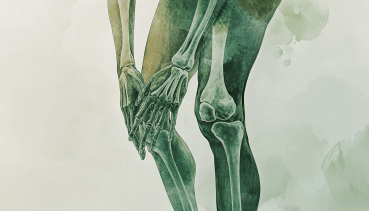
Arthritis is a common condition that affects millions of people worldwide, causing pain, stiffness, and swelling in the joints. Understanding the symptoms of arthritis is crucial for early diagnosis and effective management.
How can one effectively manage arthritis?
In this comprehensive guide, we will explore the top 10 symptoms of arthritis, discuss various management strategies, and highlight the importance of a proper diet in managing arthritis symptoms. Whether you are newly diagnosed or have been living with arthritis for years, this guide will provide valuable insights to help you improve your quality of life.
What does one need to know about arthritis and its causes?

Pain, swelling, and stiffness in the joints are all symptoms that are associated with arthritis, which is a term that is used to describe a group of more than one hundred diseases. Everyone is susceptible to its effects, regardless of age, gender, or ethnicity. The two most common types of arthritis are osteoarthritis and rheumatoid arthritis; however, there are a great number of other forms of arthritis, each of which has its own unique set of symptoms and contributing factors.
Types of Arthritis
- Osteoarthritis (OA): This is the most common type of arthritis, often referred to as wear-and-tear arthritis. It occurs when the protective cartilage that cushions the ends of the bones wears down over time. OA typically affects the joints in the hands, knees, hips, and spine.
- Rheumatoid Arthritis (RA): RA is an autoimmune disorder where the body’s immune system attacks the lining of the joints, causing inflammation and damage. It can affect multiple joints and lead to severe pain and deformities if not managed properly.
- Psoriatic Arthritis: This type of arthritis affects some people who have psoriasis, a condition that features red patches of skin topped with silvery scales. It can cause joint pain, stiffness, and swelling.
- Gout: Gout is characterised by sudden, severe attacks of pain, swelling, redness, and tenderness in the joints, frequently the joint at the base of the big toe. It occurs when urate crystals accumulate in the joint, causing inflammation.
- Ankylosing Spondylitis: This is a type of arthritis that primarily affects the spine, although other joints can be involved. It causes inflammation of the spinal joints, which can lead to severe, chronic pain and discomfort.
Causes and Risk Factors
The causes of arthritis can vary depending on the type. Common factors that may contribute to the development of arthritis include:
- Genetics: A family history of arthritis can increase the risk of developing the condition.
- Age: The risk of many types of arthritis, including osteoarthritis and rheumatoid arthritis, increases with age.
- Gender: Women are more likely than men to develop rheumatoid arthritis, while men are more likely to develop gout.
- Previous Joint Injury: Injuries to a joint, such as those sustained during sports, can increase the likelihood of developing arthritis in that joint later in life.
- Obesity: Excess weight puts additional stress on joints, particularly the knees, hips, and spine, which can lead to the development and progression of arthritis.
The Top 10 Symptoms of Arthritis in Detail
1. Joint Pain
Description: Joint pain is the most common and prominent symptom of arthritis. It is usually described as a dull ache or a burning sensation, and it can affect one or multiple joints.
Causes: Inflammation within the joint, cartilage degradation, or deterioration of the joint over time are the causes of the pain.
Management: Over-the-counter pain relievers, anti-inflammatory medications, physical therapy, and hot or cold compresses can help alleviate pain.
2. Stiffness
Description: Stiffness in the joints, especially after waking up in the morning or after periods of inactivity, is a hallmark of arthritis.
Causes: The inflammation and swelling in the joints reduce their range of motion, making them feel stiff and difficult to move.
Management: Gentle stretching exercises, physical therapy, and staying active throughout the day can help reduce stiffness.
3. Swelling
Description: Swelling in the joints occurs due to the accumulation of fluid, making the affected area appear larger and feel tender.
Causes: Inflammation causes an increase in synovial fluid in the joints, leading to swelling.
Management: Anti-inflammatory medications, compression wraps, and elevating the affected joint can help reduce swelling.
4. Redness
Description: The skin over the affected joint may become red and warm to the touch.
Causes: Increased blood flow to the inflamed area results in redness and warmth.
Management: Applying cold compresses, taking anti-inflammatory medications, and resting the joint can help manage redness.
5. Decreased Range of Motion
Description: Arthritis can limit the ability to move the affected joints through their full range of motion.
Causes: Inflammation and damage to the joint structures restrict their flexibility and movement.
Management: Regular physical therapy, stretching exercises, and maintaining an active lifestyle can help preserve joint mobility.
6. Fatigue
Description: Persistent tiredness and a lack of energy are common in individuals with arthritis.
Causes: Chronic pain, inflammation, and the body’s immune response can lead to overall fatigue.
Management: Adequate rest, a balanced diet, regular exercise, and managing pain effectively can help reduce fatigue.
7. Fever
Description: Low-grade fever can occur with some types of arthritis, such as rheumatoid arthritis.
Causes: The immune system’s response to inflammation and infection can cause a mild increase in body temperature.
Management: Treating the underlying inflammation with medications and consulting a healthcare provider if fever persists.
8. Weight Loss
Description: Unexplained weight loss may accompany rheumatoid arthritis. Causes: Chronic inflammation and the body’s metabolic response to fighting the disease can lead to weight loss. Management: Ensuring adequate nutrition, managing inflammation, and consulting a healthcare provider for appropriate interventions.
9. Nodules
Description: Small lumps under the skin, commonly seen in rheumatoid arthritis, particularly around pressure points like the elbows.
Causes: Inflammation in the small blood vessels is what causes these nodules.
Management: Medical treatments targeting rheumatoid arthritis, such as DMARDs, can help reduce nodules.
10. Crepitus
Description: A grating sensation or sound when moving the joint, often experienced in the knees or hands.
Causes: The roughened cartilage surfaces or bone rubbing against bone cause this sensation.
Management: Gentle exercises, physical therapy, and using supportive devices can help manage crepitus.
What are the top 10 symptoms of arthritis, and how do they affect daily life?

Managing arthritis effectively requires a multi-faceted approach that combines medical treatments, lifestyle changes, and supportive therapies. Here’s a detailed look at some of the most effective strategies:
Medication
Medications often serve as the primary treatment for arthritis symptoms. The type of medication prescribed depends on the severity and type of arthritis:
- Nonsteroidal Anti-Inflammatory Drugs (NSAIDs): These drugs, such as ibuprofen and naproxen, help reduce inflammation and relieve pain. They are commonly used for both osteoarthritis and rheumatoid arthritis.
- Analgesics: Pain relievers like acetaminophen are used to reduce pain without necessarily addressing inflammation.
- Corticosteroids: These powerful anti-inflammatory drugs can be taken orally or injected directly into the joint to provide quick relief from inflammation and pain. However, long-term use is generally avoided due to potential side effects.
- Disease-Modifying Antirheumatic Drugs (DMARDs): These are used specifically for rheumatoid arthritis and other autoimmune forms of arthritis. DMARDs help slow the progression of the disease by targeting the immune system.
- Biologic Response Modifiers (Biologics): A newer class of DMARDs, biologics target specific components of the immune system, offering a more tailored approach to treatment.
Physical Therapy
Physical therapy is a cornerstone of arthritis management. A physical therapist can design a personalised exercise programme to help:
- Improve Range of Motion: Exercises focused on flexibility help maintain and improve joint mobility, reducing stiffness.
- Strengthen Muscles: Building strength in the muscles around the joints provides better support and reduces the stress on the joints.
- Correct Posture and Mechanics: Learning proper body mechanics can prevent additional strain on the joints and reduce the risk of injury.
Regular sessions with a physical therapist can lead to significant improvements in daily function and pain levels.
Regular Exercise
Staying active is crucial for managing arthritis, despite the discomfort that it might sometimes cause. The right types of exercise can reduce pain and improve function:
- Low-Impact Aerobic Exercises: Activities like swimming, cycling, and walking increase cardiovascular fitness without putting excessive stress on the joints.
- Strength Training: Lifting weights or using resistance bands helps build muscle strength, which supports and protects the joints.
- Flexibility Exercises: Stretching and yoga improve flexibility, reduce stiffness, and enhance range of motion. These exercises also help with stress management, which can indirectly alleviate pain.
It’s important to start slowly and gradually increase the intensity and duration of exercise to avoid overexertion.
Weight Management
Maintaining a healthy weight is critical for managing arthritis, especially osteoarthritis, which is often exacerbated by excess weight:
- Reduced Joint Strain: Carrying extra weight increases the load on weight-bearing joints like the knees, hips, and spine. Losing weight can significantly reduce pain and improve mobility.
- Improved Inflammation Levels: Obesity is linked to higher levels of systemic inflammation, which can worsen arthritis symptoms. Weight loss can help lower inflammation markers.
Even modest weight loss can make a significant difference in symptom management.
Heat and Cold Therapy
Alternating heat and cold therapy is an effective way to manage pain and inflammation:
- Heat Therapy: Applying a warm towel, heating pad, or taking a warm bath can relax muscles, increase circulation, and soothe stiff joints. Heat therapy is particularly useful before exercise or physical activity.
- Cold Therapy: Applying ice packs or cold compresses can reduce swelling and numb the pain. Cold therapy is especially effective after exercise or if a joint feels particularly inflamed.
It’s important to use these therapies safely, avoiding direct contact with the skin to prevent burns or frostbite.
Assistive Devices
Using assistive devices can help reduce strain on the joints and make daily tasks easier:
- Braces and Splints: These devices provide support for unstable joints and can reduce pain during activity.
- Canes and Walkers: These mobility aids help redistribute weight away from painful joints, improving balance and reducing the risk of falls.
- Ergonomic Tools: Tools designed with larger grips or special handles can make it easier to perform daily tasks without straining the joints.
Assistive devices should be used as needed to maintain independence and prevent joint damage.
Stress Management
Chronic pain and the limitations it imposes can lead to stress, anxiety, and depression. Managing stress is therefore an important aspect of arthritis management:
- Mind-Body Techniques: Practices like meditation, deep breathing, and mindfulness can help manage pain by reducing stress and promoting relaxation.
- Yoga and Tai Chi: These activities combine physical movement with meditation, offering both physical and mental benefits.
- Counselling and Support Groups: Talking to a therapist or joining a support group can provide emotional support and practical advice for dealing with the challenges of arthritis.
Stress management techniques can improve overall well-being and help you better cope with arthritis symptoms.
How can a proper diet help in managing arthritis?

Diet plays a significant role in managing arthritis symptoms and improving overall joint health. By incorporating certain foods into your diet and avoiding others, you can reduce inflammation, maintain a healthy weight, and support your overall well-being. Here’s a detailed look at how diet can impact arthritis:
Anti-Inflammatory Foods
Inflammation is a key factor in arthritis, and certain foods can help combat this. Incorporating anti-inflammatory foods into your diet can reduce joint pain and swelling.
- Omega-3 Fatty Acids: Found in fatty fish like salmon, mackerel, and sardines, omega-3s are known for their anti-inflammatory properties. Flaxseeds, chia seeds, and walnuts are also good sources of omega-3s.
- Fruits and Vegetables: Colourful fruits and vegetables like berries, cherries, spinach, and kale are rich in antioxidants, which help reduce inflammation.
- Olive Oil: Extra virgin olive oil contains oleocanthal, a compound with anti-inflammatory properties similar to those of nonsteroidal anti-inflammatory drugs (NSAIDs).
- Nuts and Seeds: Almonds, walnuts, and flaxseeds are high in anti-inflammatory fats and nutrients.
- Whole Grains: Foods like oatmeal, brown rice, and quinoa can help lower levels of C-reactive protein (CRP), an inflammation marker in the blood.
Foods to Avoid
Certain foods can exacerbate inflammation and should be limited or avoided in an arthritis-friendly diet.
- Processed Foods: Packaged snacks, fast food, and processed meats contain trans fats and unhealthy oils that can increase inflammation.
- Sugar: High sugar intake can lead to increased inflammation. Avoid sugary drinks, candies, and pastries.
- Refined Carbohydrates: White bread, pasta, and pastries can spike blood sugar levels and increase inflammation.
- Excessive Salt: Too much salt can lead to water retention and increased joint swelling. Avoid highly salted foods and opt for low-sodium options.
- Alcohol: Excessive alcohol consumption can increase inflammation and should be limited.
Weight Management
Maintaining a healthy weight is vital for managing arthritis, particularly osteoarthritis. Excess weight puts additional stress on weight-bearing joints, such as the knees and hips, exacerbating pain and stiffness. A balanced diet rich in fruits, vegetables, lean proteins, and whole grains can help you achieve and maintain a healthy weight.
Specific Diet Plans
Certain diets have been shown to be beneficial for people with arthritis.
- Mediterranean Diet: This diet emphasises fruits, vegetables, whole grains, fish, and healthy fats like olive oil. It has been shown to reduce inflammation and improve heart health.
- DASH Diet: Originally designed to combat high blood pressure, the DASH (Dietary Approaches to Stop Hypertension) diet is also rich in anti-inflammatory foods and low in processed foods and sugars.
- Plant-Based Diet: A diet focused on plant foods can reduce inflammation and provide a variety of nutrients that support joint health.
Supplements
Certain dietary supplements can also help manage arthritis symptoms. Always consult with your healthcare provider before starting any new supplements.
- Fish Oil: Rich in omega-3 fatty acids, fish oil supplements can reduce joint pain and stiffness.
- Glucosamine and Chondroitin: These supplements are believed to support joint health and reduce symptoms of osteoarthritis.
- Vitamin D: Adequate vitamin D levels are important for bone health, and a deficiency can exacerbate arthritis symptoms.
- Turmeric: Contains curcumin, a compound with strong anti-inflammatory properties.
What alternative therapies can help ease arthritis pain?

In addition to conventional treatments, many people with arthritis find relief through various alternative therapies. These therapies can complement traditional medical treatments and help manage symptoms, reduce pain, and improve quality of life. Here are some effective alternative therapies for arthritis:
Acupuncture
Acupuncture is a traditional Chinese medicine practice that involves inserting thin needles into specific points on the body to stimulate energy flow (Qi). It is believed to help reduce pain and inflammation by promoting the release of endorphins and improving blood circulation.
- Benefits: Acupuncture can help alleviate pain, reduce stiffness, and improve joint function. It may also help reduce the need for pain medications.
- How It Works: The needles are typically left in place for 15–30 minutes. Acupuncture sessions may be needed regularly to achieve optimal results.
Massage Therapy
Massage therapy involves the manipulation of soft tissues to relieve muscle tension, improve circulation, and promote relaxation. It can be particularly beneficial for individuals with arthritis.
- Benefits: Massage therapy can reduce muscle tension, improve joint mobility, and alleviate pain and stress. It also promotes relaxation and enhances overall well-being.
- How It Works: A licenced massage therapist uses various techniques, such as kneading, stroking, and applying pressure to the affected areas. Sessions can last from 30 minutes to an hour.
Chiropractic Care
Chiropractic care focuses on diagnosing and treating musculoskeletal disorders, particularly those involving the spine. Chiropractors use manual adjustments to improve joint alignment and function.
- Benefits: Chiropractic adjustments can help reduce pain, improve joint mobility, and enhance overall physical function. It may be particularly beneficial for individuals with spinal arthritis.
- How It Works: A chiropractor performs manual adjustments to the spine and other joints to correct misalignments and improve function. Regular sessions may be needed for ongoing benefits.
Herbal Supplements
Various herbal supplements are believed to have anti-inflammatory and pain-relieving properties that can benefit individuals with arthritis. Some commonly used herbs include:
- Turmeric: Contains curcumin, which has strong anti-inflammatory properties. It can help reduce joint pain and inflammation.
- Ginger: Known for its anti-inflammatory and analgesic effects. It can help alleviate pain and improve joint function.
- Boswellia: Also known as Indian frankincense, Boswellia has anti-inflammatory properties that can help reduce arthritis symptoms.
- Benefits: Herbal supplements can provide natural relief from pain and inflammation without the side effects associated with some medications.
- How It Works: Supplements are usually taken orally in the form of capsules, tablets, or teas. It’s important to consult with a healthcare provider before starting any new supplement to ensure it is safe and appropriate.
Tai Chi
Tai Chi is a mind-body practice that combines gentle, flowing movements with deep breathing and meditation. It is particularly beneficial for individuals with arthritis due to its low-impact nature.
- Benefits: Tai Chi can improve balance, flexibility, and joint function. It also promotes relaxation and reduces stress, which can help manage pain.
- How It Works: Tai Chi involves a series of slow, controlled movements and postures. An instructor frequently conducts classes, which can either be in groups or individually.
Yoga
Yoga is a practice that combines physical postures, breathing exercises, and meditation. It can help improve flexibility, strength, and overall well-being.
- Benefits: Yoga can reduce joint pain, improve flexibility and strength, and promote relaxation. It can also help manage stress, which can exacerbate arthritis symptoms.
- How It Works: Yoga involves performing various postures (asanas) that stretch and strengthen the muscles and joints. Classes can be tailored to different skill levels and physical abilities.
Heat and Cold Therapy
Heat and cold therapy are simple yet effective methods for managing arthritis symptoms. They can be used to reduce pain, inflammation, and muscle spasms.
- Benefits: Heat therapy helps relax muscles and increase blood flow, while cold therapy reduces inflammation and numbs painful areas.
- How It Works: Heat therapy can be applied using heating pads, warm baths, or heat wraps. Cold therapy can be applied using ice packs, cold gels, or frozen vegetables wrapped in a cloth.
Tips for Using Alternative Therapies
- Consult with a Healthcare Provider: Before starting any alternative therapy, consult with your healthcare provider to ensure it is safe and appropriate for your specific condition.
- Monitor Progress: Keep track of your symptoms and any changes you experience while using alternative therapies. This can help determine their effectiveness.
- Combine Therapies: Combining different therapies, such as acupuncture and massage, may provide better results than using a single therapy.
- Be Patient: Alternative therapies may take time to show results. Consistency and regular practice are key to achieving optimal benefits.
By incorporating these alternative therapies into your arthritis management plan, you can enhance your overall treatment and improve your quality of life.
What practical tips can help me live well with arthritis every day?
Living with arthritis requires a proactive approach to managing daily challenges. Simple changes like using ergonomic tools, pacing activities, and taking frequent breaks can make a big difference. Keeping a pain diary to track symptoms and triggers can help in managing the condition. Staying connected with support groups and seeking help when needed can provide emotional support and practical advice.
To Sum Up
Managing arthritis requires a comprehensive approach, starting with understanding the top symptoms of arthritis and incorporating effective management tips. A proper diet, regular exercise, and appropriate treatments can significantly improve your quality of life. Remember, the key to living well with arthritis is staying informed and proactive about your health. By following these guidelines and working closely with your healthcare provider, you can manage your symptoms and live a fulfilling life despite arthritis.
FAQs
How can I tell if my joint pain is due to arthritis?
If you’re experiencing persistent joint pain, stiffness, or swelling, especially in the morning or after periods of inactivity, it might be arthritis. Consulting a healthcare professional can provide an accurate diagnosis.
What are the most effective treatments for managing arthritis pain in 2025?
In 2025, effective arthritis management includes a combination of medications, physical therapy, and lifestyle changes. Medications like NSAIDs can reduce inflammation, while physical therapy helps improve joint function. Maintaining a healthy weight and engaging in regular low-impact exercises, such as swimming or walking, are also beneficial.
Are there any new treatments for arthritis available now?
Recent advancements have introduced biologic therapies and disease-modifying antirheumatic drugs (DMARDs) that target specific components of the immune system to reduce inflammation. Additionally, regenerative medicine approaches, like stem cell therapy, are being explored for their potential benefits. Consult your rheumatologist to discuss these options.
How does diet affect arthritis symptoms, and what foods should I eat or avoid?
Diet plays a role in managing arthritis symptoms. Consuming anti-inflammatory foods like fatty fish rich in omega-3s, fruits, vegetables, and whole grains can help reduce inflammation. It’s advisable to limit processed foods, excessive sugar, and saturated fats, as they may exacerbate inflammation.
What lifestyle changes can help manage arthritis symptoms effectively?
Incorporating regular physical activity, such as low-impact exercises, helps maintain joint flexibility and muscle strength. Practicing stress-reduction techniques like yoga or meditation can also alleviate symptoms. Ensuring adequate rest and avoiding activities that strain the joints are essential for effective arthritis management.


Leave a Reply