
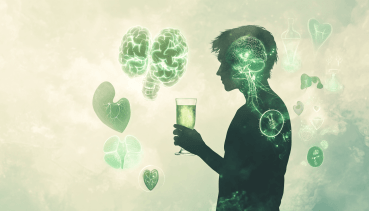
A lot of people drink at parties and celebrations for a long time, but men’s health should be carefully considered when it comes to alcohol. Too much alcohol use can lead to health problems like liver disease, heart problems, and mental health problems.
How does alcohol really affect men’s health?
Men can make smart decisions and start living a healthier life if they know about these effects. In this comprehensive guide, we will talk about how alcohol specifically affects men’s bodies and minds, as well as give them useful health tips.
What should one know about how alcohol affects my health as a man?

Alcohol is more likely to have an impact on men biologically, socially, and behaviourally than it is on women. Moderate drinking may not pose many risks, but heavy drinking can have big effects on your mental and physical health. Take a close look at how alcohol affects men’s health:
Alcohol Metabolism in Men
Because men and women have different body types and enzyme levels, they metabolise alcohol in different ways. Men tend to have less fat and more water in their bodies, which means that alcohol dissolves more quickly in their bodies. However, this does not imply that alcohol cannot harm men. Heavy drinking can make the liver unable to process alcohol properly over time, which can cause toxins to build up in the body.
Impact on Reproductive Health
Alcohol can affect men’s hormone levels, especially testosterone levels. Heavy drinking over a long period of time may lower testosterone production, which can lower libido, make it harder to get pregnant, and cause physical changes like losing muscle mass.
Behavioural Risks
According to the numbers, men are more likely than women to drink too much at once, which can lead to accidents, injuries, and bad decisions. Over time, this pattern of drinking can lead to long-term issues like alcoholism and long-term illnesses.
Gender-Specific Drinking Patterns
Society and culture often encourage men to consume alcohol at a higher rate than women, with some even viewing heavy drinking as a sign of masculinity. This can create a sense of pressure, leading to an increase in health risks.
Short- and Long-Term Effects
In the short term, drinking can make it harder to move, remember things, and make choices. Long-term use, especially of large amounts, can lead to long-term health problems like liver disease, heart problems, and damage to the nerves.
What you need to remember:
Understanding the unique ways alcohol impacts men’s health is essential for making informed decisions about drinking habits. Awareness of these risks can help men adopt healthier behaviours and prevent long-term health issues.
How does alcohol contribute to liver disease in men?
The liver is crucial for breaking down alcohol into substances that the body can get rid of. However, drinking too much alcohol can damage the liver and cause many diseases. Because men tend to drink more alcohol than women, they are more likely to damage their livers from drinking.
How Alcohol Affects the Liver
When you drink alcohol, your liver breaks it down faster than other metabolic processes. It turns alcohol into acetaldehyde, which is harmful. Heavy drinking damages the liver’s ability to work over time by causing it to store fat, inflammation, and scar tissue.
Types of Alcohol-Related Liver Diseases
- Fatty Liver Disease:
- This is the earliest stage of alcohol-related liver damage.
- The condition is characterised by excessive fat accumulation in liver cells.
- This condition is often reversible with reduced alcohol consumption.
- Alcoholic Hepatitis:
- Prolonged alcohol abuse can cause an inflammatory condition.
- Symptoms include abdominal pain, jaundice, and fatigue.
- The condition can be severe and life-threatening if left untreated.
- Cirrhosis:
- This is the final, irreversible stage of liver damage.
- Scar tissue replaces healthy liver tissue, leading to liver failure.
- It increases the risk of liver cancer and other complications.
Symptoms to Watch For
Men who consume alcohol regularly should be vigilant for early signs of liver damage, including:
- The patient is experiencing persistent fatigue and weakness.
- There may be a loss of appetite or unexplained weight loss.
- Jaundice refers to the yellowing of the skin or eyes.
- There is swelling in the abdomen or legs.
- There is easy bruising or bleeding.
Preventing Alcohol-Induced Liver Damage
To protect the liver, men should:
- Limit alcohol consumption to moderate levels (up to two drinks per day).
- Adopt a nutrient-rich diet to support liver health.
- Avoid binge drinking and seek help if you are struggling with alcohol dependency.
What you need to remember:
Alcohol-related liver disease is a serious health concern for men, but it is largely preventable. By reducing alcohol intake and recognising early warning signs, men can take proactive steps to safeguard their liver health.
How does alcohol affect heart health?

Drinking alcohol has a big effect on heart health, and the effects change depending on how much and how often you drink. Some heart health benefits have been linked to moderate alcohol use, but drinking too much or all the time often outweighs these benefits and puts the heart at serious risk.
Short-Term Effects of Alcohol on the Heart
Even a single episode of heavy drinking can have immediate effects, such as:
- Increased Heart Rate: Alcohol stimulates the sympathetic nervous system, causing a temporary spike in heart rate (tachycardia).
- Irregular Heartbeats: Binge drinking may trigger arrhythmias, such as atrial fibrillation, which increases the risk of stroke.
- Dehydration and Electrolyte Imbalance: Alcohol can dehydrate the body and disrupt electrolyte levels, which are vital for maintaining a stable heartbeat.
Long-Term Risks of Excessive Drinking
Hypertension (High Blood Pressure):
- Chronic heavy drinking is a leading cause of hypertension, a major risk factor for heart disease and stroke.
- Alcohol can increase blood pressure by constricting blood vessels and altering stress hormone levels.
Cardiomyopathy:
- Long-term alcohol abuse can weaken the heart muscle, reducing its ability to pump blood efficiently.
- Symptoms include fatigue, shortness of breath, and swelling in the legs or abdomen.
Coronary Artery Disease (CAD):
- Excessive drinking contributes to the buildup of plaque in arteries, increasing the risk of heart attacks.
- Higher triglyceride levels are also associated with heavy alcohol use, which can aggravate CAD.
Moderate Alcohol Consumption and Heart Health
Moderate alcohol consumption, defined as up to two drinks per day for men, has been associated with several cardiovascular benefits.
- There were increased levels of HDL (“good”) cholesterol.
- There is a reduced risk of ischaemic stroke and coronary artery disease.
However, these potential benefits should not be used as a justification for starting or increasing alcohol consumption, as they depend on individual health factors.
Signs of Alcohol-Related Heart Problems
Regular alcohol consumers, such as men, should be aware of warning signs.
- Chest pain or pressure.
- You may experience shortness of breath, particularly after minimal exertion.
- There is swelling in the legs or feet.
- The patient is experiencing persistent fatigue or dizziness.
Protecting Heart Health While Drinking
To minimise the impact of alcohol on the heart,
- Stick to Moderate Drinking: Avoid binge drinking and adhere to recommended guidelines.
- Stay Active: Regular physical activity strengthens the heart and reduces alcohol-related risks.
- Monitor Blood Pressure: Routine check-ups can help detect early signs of hypertension.
- Choose Heart-Friendly Alternatives: Opt for non-alcoholic beverages or drinks lower in sugar and calories.
What you need to remember:
While moderate alcohol use may offer limited heart health benefits, excessive or prolonged drinking significantly increases the risk of cardiovascular diseases. Men should prioritise moderation, regular health monitoring, and a heart-healthy lifestyle to reduce alcohol-related risks.
What impact does alcohol have on mental health?

Alcohol significantly impacts emotions, thought processes, and general well-being. Men may drink to relax or relieve stress at first, but excessive or long-term use can have serious negative effects on mental health.
Short-Term Effects of Alcohol on Mental Health
- Mood Alterations: Alcohol acts as a depressant, initially creating a sense of euphoria but often leading to sadness, irritability, or aggression as its effects wear off.
- Impaired Judgement: Alcohol affects the brain’s decision-making abilities, increasing the likelihood of risky or impulsive behaviours.
- Sleep Disturbances: While alcohol may induce drowsiness, it disrupts sleep cycles, resulting in poor quality sleep and fatigue.
Long-Term Mental Health Risks
Depression and Anxiety:
- Chronic alcohol use can alter brain chemistry, reducing serotonin levels and increasing vulnerability to mood disorders.
- Men who self-medicate with alcohol to manage stress or anxiety often experience worsening symptoms over time.
Alcohol Dependency:
- Long-term use may lead to alcohol use disorder (AUD), characterised by an inability to control drinking despite its negative impact on mental and physical health.
- Dependency often leads to withdrawal symptoms, including anxiety, irritability, and confusion, which can perpetuate the cycle of abuse.
Cognitive Impairment:
- Excessive alcohol consumption damages brain cells, impairing memory, focus, and problem-solving abilities.
- Over time, this may contribute to conditions such as alcohol-related dementia or Wernicke-Korsakoff syndrome.
Alcohol’s Role in the Stress Cycle
Although alcohol may appear to offer short-term stress relief, it actually interferes with the brain’s capacity to control emotions, making stress harder to cope with over time. Drinking often exacerbates the problems men are trying to solve, creating a vicious cycle.
Social and Emotional Consequences
Alcohol not only affects an individual’s mental state but also impacts relationships and social interactions.
- The individual has strained relationships with family and friends due to mood swings or erratic behaviour.
- There has been a decrease in productivity and motivation, which is affecting both professional life and self-esteem.
Breaking the Cycle of Alcohol and Mental Health
To reduce alcohol’s impact on mental health:
- Seek Professional Help: Therapists and counsellors can help address underlying issues and provide coping strategies.
- Adopt Healthy Coping Mechanisms: Exercise, meditation, and hobbies are effective alternatives to drinking.
- Build a Support System: Talking to trusted friends, family, or support groups can alleviate feelings of isolation.
- Limit Alcohol Consumption: Adhering to moderate drinking guidelines can reduce mental health risks.
What you need to remember:
Alcohol’s effects on mental health can be severe, ranging from mood disorders to dependency and cognitive decline. By addressing its impact early and adopting healthier habits, men can safeguard their emotional well-being and improve their quality of life.
How does alcohol affect my sexual health?

Alcohol can significantly impact men’s sexual health. While moderate drinking may not cause harm, excessive use has immediate and long-term effects, including:
- Erectile Dysfunction (ED): Alcohol reduces blood flow and nerve sensitivity, causing temporary or chronic ED.
- Hormonal Disruption: Alcohol lowers testosterone levels, reducing libido and energy.
- Fertility Issues: Heavy drinking impairs sperm quality, affecting fertility.
- Risky Behaviour: Impaired judgement increases the likelihood of unprotected sex and STIs.
Tips for Better Sexual Health
- Limit alcohol intake to recommended guidelines (up to two drinks/day).
- Maintain a healthy lifestyle with balanced nutrition and exercise.
- Seek professional advice for persistent issues or alcohol dependency.
Social and Behavioural Consequences of Alcohol Use
Alcohol consumption has a significant impact on social interactions and individual behaviour in addition to physical and mental health. Moderate drinking may be a social ritual, but excessive or long-term use frequently has negative effects that can strain relationships, careers, and one’s quality of life in general.
Impact on Relationships
Family Dynamics:
- Alcohol misuse can lead to conflicts, neglect of responsibilities, and emotional distance, disrupting family harmony.
- Children in households with alcohol misuse are at higher risk of emotional trauma and developing unhealthy coping mechanisms.
Friendships and Social Circles:
- Erratic or aggressive behaviour during drinking episodes can alienate friends and acquaintances.
- Over time, individuals may gravitate toward social circles that enable unhealthy drinking habits, reinforcing the problem.
Workplace Consequences
Decreased Productivity:
- Alcohol impairs concentration and decision-making, leading to reduced efficiency at work.
- Persistent hangovers or absenteeism due to drinking can harm a professional reputation.
Job Loss Risk:
- Chronic alcohol use frequently contributes to workplace misconduct or performance standards failure, which raises the risk of unemployment.
Legal and Financial Issues
Alcohol-Related Offences:
- Driving under the influence (DUI) is a major consequence of alcohol misuse, leading to legal penalties, license suspension, or accidents.
- Public intoxication and alcohol-fuelled altercations can result in arrests or fines.
Financial Strain:
- Frequent drinking can strain personal finances, diverting money from essential expenses.
- Legal costs or medical bills related to alcohol misuse further exacerbate financial stress.
Behavioural Risks
Risk-Taking Behaviours:
- Alcohol lowers inhibitions, increasing the likelihood of risky actions, such as unsafe sex, gambling, or reckless driving.
- Such behaviours can lead to long-term consequences, including health issues or strained relationships.
Aggression and Violence:
- Alcohol consumption is a significant factor in domestic violence and public altercations.
- Men under the influence may struggle to regulate emotions, leading to escalated conflicts.
Isolation and Social Withdrawal
Over time, the negative consequences of alcohol use—strained relationships, poor work performance, and financial troubles—can isolate individuals socially. The resulting loneliness may drive further drinking, perpetuating a harmful cycle.
Breaking the Cycle of Social and Behavioural Harm
To mitigate the social and behavioural consequences of alcohol,
- Set Clear Boundaries: Limit alcohol use in social situations and establish rules for responsible drinking.
- Strengthen Support Networks: Surround yourself with friends and family who promote healthy behaviours.
- Seek Professional Guidance: Counselling or therapy can address underlying issues fuelling alcohol misuse.
- Engage in Positive Social Activities: Replace drinking with hobbies or community involvement to build healthier connections.
What you need to remember:
The social and behavioural repercussions of alcohol consumption frequently impact relationships, careers, and personal well-being. Healthy, more satisfying social interactions and behaviours can result from acknowledging these effects and taking action to reduce harm.
What are some effective ways to reduce alcohol consumption?
If you’re looking to reduce your alcohol consumption, here are some practical strategies to help you achieve your goals:
Setting Realistic Goals
- Start Small: Begin by setting small, achievable goals. For example, you could aim to reduce your drinking days per week or limit your drinks per occasion.
- Track Your Intake: Use a journal or app to monitor your alcohol consumption. This can help you identify patterns and triggers.
Changing Your Drinking Habits
- Mindful Drinking: Pay attention to your reasons for drinking. Are you drinking to cope with stress, boredom, or social pressure? Find healthier ways to manage these emotions.
- Alternate Drinks: Switch between alcoholic and non-alcoholic beverages. Consider drinking water, soda, or juice.
- Pace Yourself: Take your time with each drink and savour the experience.
- Avoid Triggers: Identify situations that tempt you to drink excessively and try to avoid them or plan ahead.
Seeking Support
- Talk to Someone: Share your goals with a trusted friend, family member, or therapist. Their support can be invaluable.
- Join a Support Group: Connect with others who are also working to reduce their alcohol consumption.
- Consider Professional Help: If you struggle with alcohol addiction, seek professional help from a therapist or counsellor.
Healthy Lifestyle Choices
- Prioritise Physical Activity: Regular exercise can help reduce stress and improve overall well-being.
- Improve Your Diet: A balanced diet can support your health and reduce cravings.
- Manage Stress: Practice stress-reduction techniques like meditation, yoga, or deep breathing.
It is important to keep in mind that decreasing alcohol consumption is a process, not an endpoint. Remember to be patient with yourself and to rejoice in your accomplishments. Do not allow yourself to become disheartened if you make a mistake. Begin again from the point where you left off.
To Sum Up
Alcohol consumption has a significant impact on men’s health, causing a variety of problems, including liver disease, heart health problems, and mental and social difficulties. You should cut back on alcohol to improve your physical and emotional health. One way for men to protect themselves from long-term health risks and enjoy an improved quality of life is to gain an understanding of the effects of this condition and to adopt healthier habits.
FAQs
How does drinking alcohol affect men’s health?
Consuming alcohol can impact men’s health by increasing the risk of liver disease, heart problems, certain cancers, and impairing sexual function. It can also contribute to mental health issues like depression and anxiety. Moderation is key to minimising these risks.
What are the recommended alcohol limits for men?
Health guidelines suggest that men should limit alcohol intake to two standard drinks per day, with at least two alcohol-free days each week, to reduce health risks.
Can moderate alcohol consumption have any benefits for men?
Some studies suggest that moderate drinking, such as one drink per day, might offer certain cardiovascular benefits. However, these potential benefits don’t outweigh the risks for everyone, and individual health factors should be considered.
How can I reduce my alcohol consumption without feeling deprived?
To cut back on alcohol, try setting clear goals, opting for non-alcoholic beverages, engaging in activities that don’t involve drinking, and seeking support from friends or support groups. Focusing on the positive aspects of reducing alcohol, like improved sleep and energy, can also help.
What are the signs that I might be drinking too much alcohol?
Indicators include needing more alcohol to feel its effects, experiencing withdrawal symptoms like shakiness or anxiety when not drinking, neglecting responsibilities, and continuing to drink despite health problems. If you notice these signs, consider seeking professional advice.


Leave a Reply